English
 русский
 Español
 عربى
عربى
¿Cuántos tipos de válvulas termostáticas de latón existen?
Válvula mezcladora termostática (TMV)
un válvula mezcladora termostática (TMV) está diseñado para regular la temperatura del agua mezclando agua fría y caliente antes de que llegue al punto de uso, como un grifo, una ducha o un grifo. Este tipo de válvula se usa comúnmente en sistemas de plomería domésticos para garantizar una temperatura del agua segura y cómoda, particularmente en situaciones donde el agua caliente podría causar quemaduras.
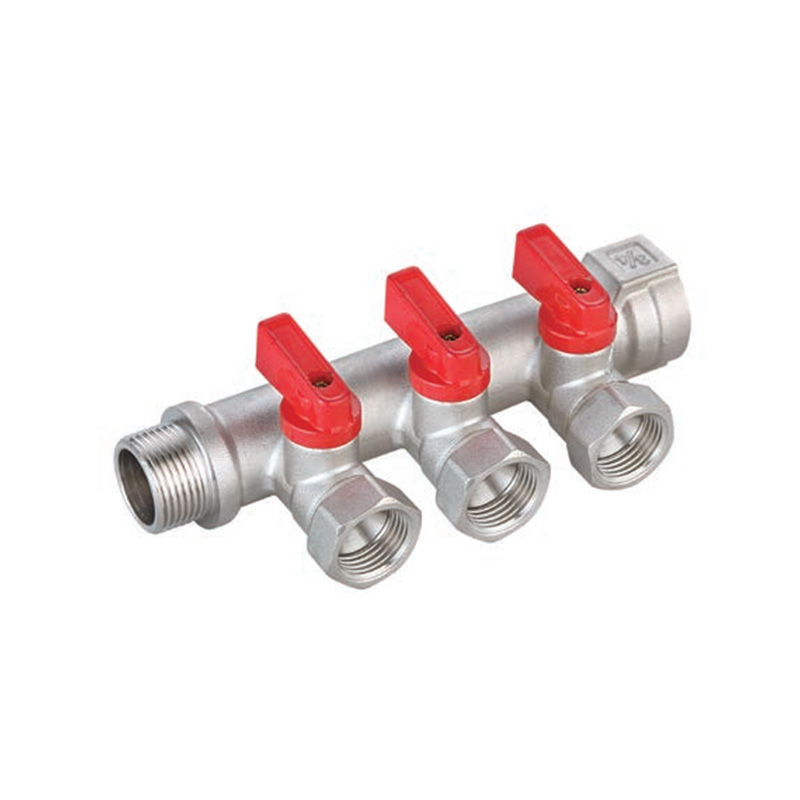
Función y operación: La función principal de un TMV es mantener una temperatura constante en la salida, a pesar de las fluctuaciones en la temperatura del suministro o la presión del agua. La válvula funciona mezclando el agua fría y caliente entrante a una temperatura preestablecida, que se puede ajustar manualmente. Dentro de la válvula, un elemento termostático detecta la temperatura del agua y, si el agua está demasiado caliente o demasiado fría, ajusta automáticamente el flujo de agua fría o caliente para mantener la temperatura deseada.
unpplications: The most common use for thermostatic mixing valves is in domestic water systems, particularly in bathrooms and kitchens. They are particularly valuable in preventing scalding in showers or baths. TMVs are also often used in healthcare settings, such as hospitals or nursing homes, where the temperature of water needs to be strictly controlled for safety reasons.
undvantages: TMVs provide a high level of safety by regulating water temperature and preventing burns, making them especially important in households with young children, the elderly, or vulnerable individuals. They are also efficient in maintaining a constant water temperature, providing comfort and energy savings.
Válvula termostática del radiador (TRV)
un thermostatic radiator valve (TRV) is used in heating systems to regulate the temperature of individual radiators. It works by sensing the room temperature and adjusting the flow of hot water into the radiator to achieve the desired room temperature. TRVs are particularly useful in systems where energy efficiency and comfort are priorities, as they enable users to control the heat in specific rooms without affecting the entire heating system.
Función y operación: Las TRV consisten en una válvula con un elemento termostático incorporado que se expande o contrae en respuesta a los cambios de temperatura. Cuando la temperatura ambiente sube por encima del nivel establecido, la válvula restringe el flujo de agua caliente hacia el radiador. Por el contrario, cuando la temperatura ambiente cae por debajo del nivel establecido, la válvula se abre para permitir que fluya más agua caliente hacia el radiador. Esto asegura que la habitación permanezca a una temperatura constante.
unpplications: TRVs are commonly found in central heating systems in homes, offices, and commercial buildings. They are installed on radiators to provide independent control of each radiator's temperature, allowing for zoning within a building. This is particularly useful in homes with multiple rooms, where different areas may require different temperatures.
undvantages: The main advantage of TRVs is their ability to provide individualized room temperature control, improving overall comfort while helping to save energy. By adjusting the temperature in rooms that are not in use or need less heating, energy consumption can be reduced. TRVs also contribute to creating a more comfortable living or working environment, as they allow users to set the temperature to their preference.
Válvula de expansión termostática (TEV)
La válvula de expansión termostática (TEV) se utiliza principalmente en sistemas de refrigeración y aire acondicionado para regular el flujo de refrigerante hacia el serpentín del evaporador. La TEV desempeña un papel crucial a la hora de garantizar que el evaporador reciba la cantidad correcta de refrigerante en función de las condiciones de funcionamiento del sistema, lo que garantiza un intercambio de calor eficiente y evita que el sistema se congele o se sobrecaliente.
Función y operación: El TEV funciona regulando el flujo de refrigerante en función de la presión en el evaporador. Utiliza una bombilla sensora que detecta la temperatura del refrigerante cuando sale del evaporador. Si la temperatura sube por encima de un cierto umbral, la válvula se abre más para permitir que entre más refrigerante al evaporador. Si la temperatura baja, la válvula se cierra para restringir el flujo de refrigerante. Este ajuste garantiza que el evaporador no esté sobrecargado ni insuficientemente cargado de refrigerante.
unpplications: TEVs are used in air conditioning systems, refrigeration units, and heat pumps. In these systems, the TEV helps optimize the cooling or heating process by controlling the refrigerant flow, ensuring that the system operates efficiently and prevents issues such as excessive pressure build-up or poor cooling performance.
undvantages: The primary advantage of the thermostatic expansion valve is its ability to maintain system efficiency by ensuring the proper flow of refrigerant. This not only improves the performance of the system but also helps prevent damage to components caused by improper refrigerant levels. TEVs also contribute to better energy efficiency, as they help maintain the conditions for the refrigeration cycle.
Contáctenos en cualquier momento.
-
Envíenos un correo electrónico
kyoda@kyodavalve.com
-
Llámenos
+86-19105861791